

 PVD Coating
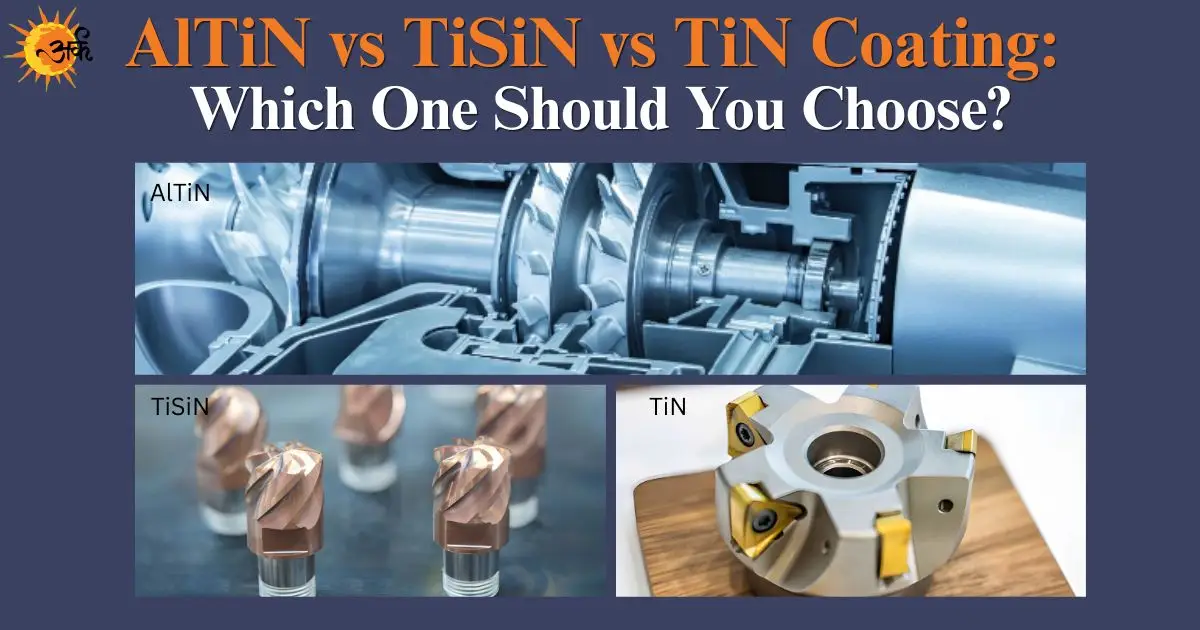
Choosing the right coating can directly impact tool life, performance, and production efficiency. When comparing altin vs tisin vs tin coating, many manufacturers often get confused about which option suits their application best. Each coating has its own strengths, and selecting the right one depends on factors like temperature, wear conditions, and machining requirements. Therefore, making the right choice becomes crucial for achieving optimal results.
In this blog, we will break down the key differences and help you understand which coating is ideal for your needs.
What is PVD Coating?
Before comparing coatings, it is important to understand what is PVD coating. Physical Vapor Deposition (PVD) is a process in which material is vaporized and deposited onto a surface to create a thin, durable coating. In simple terms, this process enhances the surface properties of tools and components.
Moreover, PVD coatings improve hardness, reduce friction, and enhance resistance to wear and heat. As a result, they are widely used in cutting tools and industrial components. Therefore, industries rely on PVD coatings to achieve better performance and longer tool life.
You can also explore
👉 what is PVD coating for a detailed explanation.
What is TiN Coating?
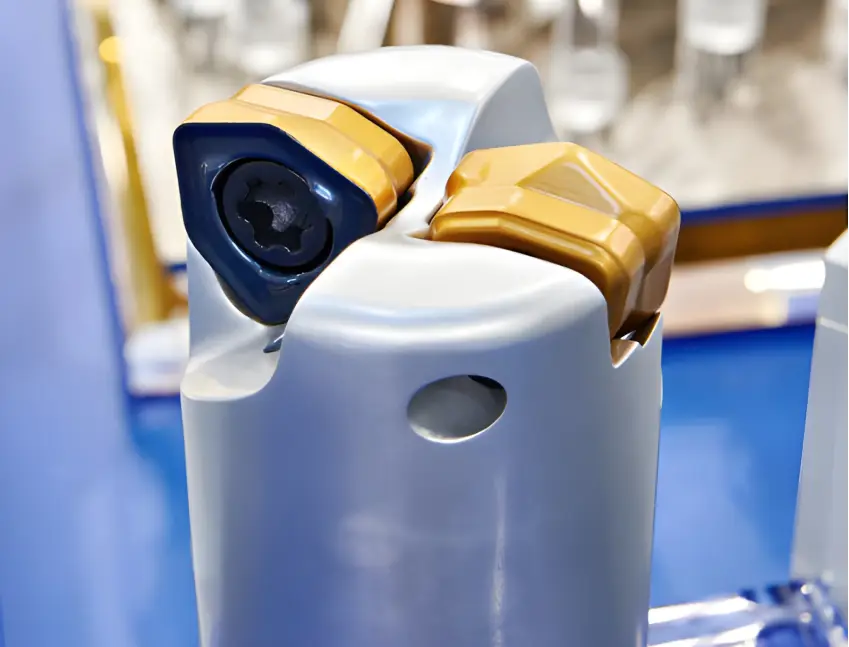
TiN (Titanium Nitride) is one of the most widely used coatings. It is known for its golden appearance and basic protective properties.
Key Features of TiN Coating
- Moderate hardness
- Good wear resistance
- Low friction
- Cost-effective solution
It is suitable for general machining applications. However, it may not perform well under extremely high temperatures.
👉 Learn more about its performance in TiN coating for cutting tools
What is TiSiN Coating?
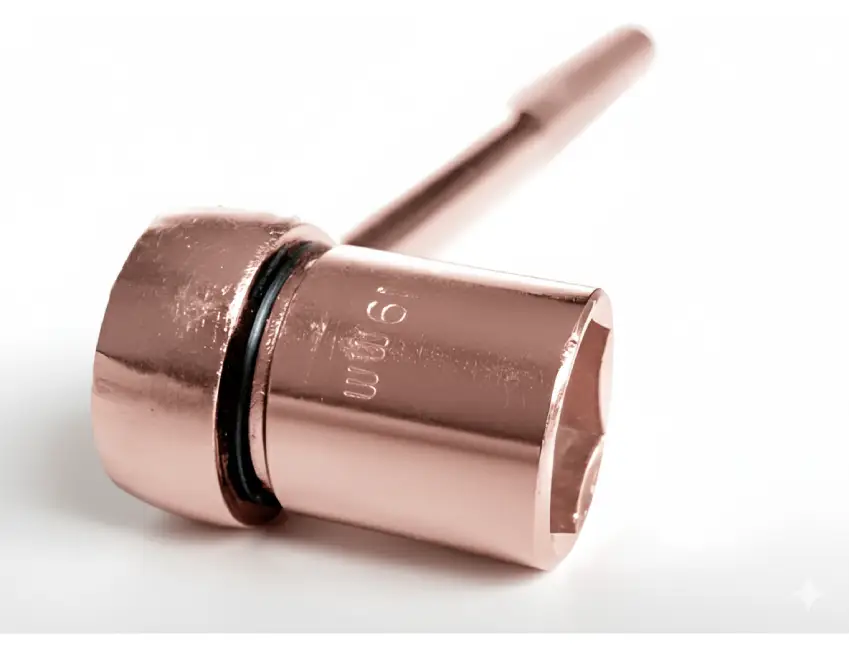
TiSiN (Titanium Silicon Nitride) coating is an advanced version of TiN coating. In comparison, It offers better performance in high-temperature environments.
Key Features of TiSiN Coating
- High hardness
- Excellent wear resistance
- Superior thermal stability
- Oxidation resistance
When comparing tisin vs altin coating, TiSiN performs better in extreme wear conditions. In particular, It is commonly used in high-speed machining and demanding industrial applications.
👉 Explore more in TiSiN coating guide
What is AlTiN Coating?
AlTiN (Aluminum Titanium Nitride) coating is designed for high-temperature applications. It forms a protective oxide layer that improves durability and heat resistance. As a result, it performs exceptionally well under extreme working conditions.
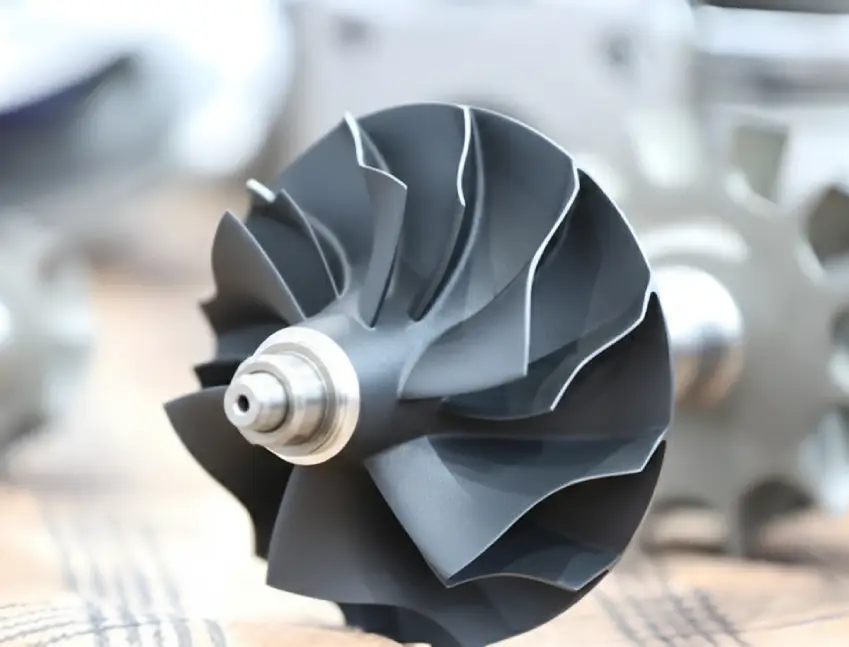
Key Features of AlTiN Coating
- Excellent thermal stability
- Strong oxidation resistance
- High hardness
- Long tool life
When comparing tin vs altin coating, AlTiN performs significantly better in high-temperature environments.
👉 For detailed insights, visit AlTiN coating guide
Difference Between TiN, TiSiN and AlTiN Coating
Understanding the difference between tin tisin altin coating helps you choose the right solution.
| Feature | TiN | TiSiN | AlTiN |
|---|---|---|---|
| Hardness | Moderate | High | Very High |
| Heat Resistance | Low | Medium | Very High |
| Wear Resistance | Good | Excellent | Excellent |
| Best Use | General machining | High-speed machining | High-temperature applications |
Which PVD Coating is Best for Cutting Tools?
One of the most common questions is which PVD coating is best for cutting tools.
The answer depends on the application:
- For general machining → TiN
- For high wear conditions → TiSiN
- For high temperature and speed → AlTiN
In particular, when considering the best pvd coating for cutting tools, AlTiN and TiSiN are often preferred due to their superior performance.
👉 You can also explore PVD coating process to understand how these coatings are applied.
PVD Coating Comparison for Industrial Applications
A proper pvd coating comparison helps industries select the right coating based on their requirements.
When to Choose TiN
- Low-cost applications
- Standard machining tasks
When to Choose TiSiN
- High-speed machining
- Abrasive materials
When to Choose AlTiN
- High-temperature environments
- Automotive and aerospace applications
👉 See how coatings perform in extreme conditions: Industrial coatings for extreme environments
Practical Selection Guide
Choosing the right coating is not just about performance. You should also consider:
- Operating temperature
- Type of material
- Tool speed
- Cost vs performance
If your application involves high heat and continuous operation, AlTiN is the best choice. On the other hand, for balanced performance, TiSiN works well. Finally, For basic applications, TiN is sufficient.
Read More
To explore more about PVD coatings and their applications:
Coatings for High Performance Pumps and Compressors
Ultimate Guide to PVD Coating for Industrial Components
Difference Between PVD and Powder Coating
Conclusion
When comparing altin vs tisin vs tin coating, the best choice depends on your application requirements. TiN works well for basic tasks, TiSiN performs better in high wear conditions, and AlTiN is ideal for high-temperature environments. By understanding the differences and selecting the right coating, manufacturers can improve tool life, reduce costs, and increase efficiency.
FAQs
TiN is basic and cost-effective, TiSiN offers better wear resistance, and AlTiN provides superior heat resistance.
The best coating depends on the application, but AlTiN and TiSiN are preferred for high-performance cutting tools.
AlTiN coating forms a protective oxide layer, which helps it perform effectively in high-temperature environments.
PVD coating is used to improve surface properties like hardness, wear resistance, and durability of tools and components.
You should consider factors like temperature, wear conditions, and application type before choosing a coating.
Industries like automotive, aerospace, tooling, and manufacturing widely use PVD coatings.
Are you confused about which coating is right for your application? Contact us today, and let ARKA PVD Coating help you choose the best solution to improve performance, durability, and efficiency.
Comments are closed