
 PVD Coating
Introduction
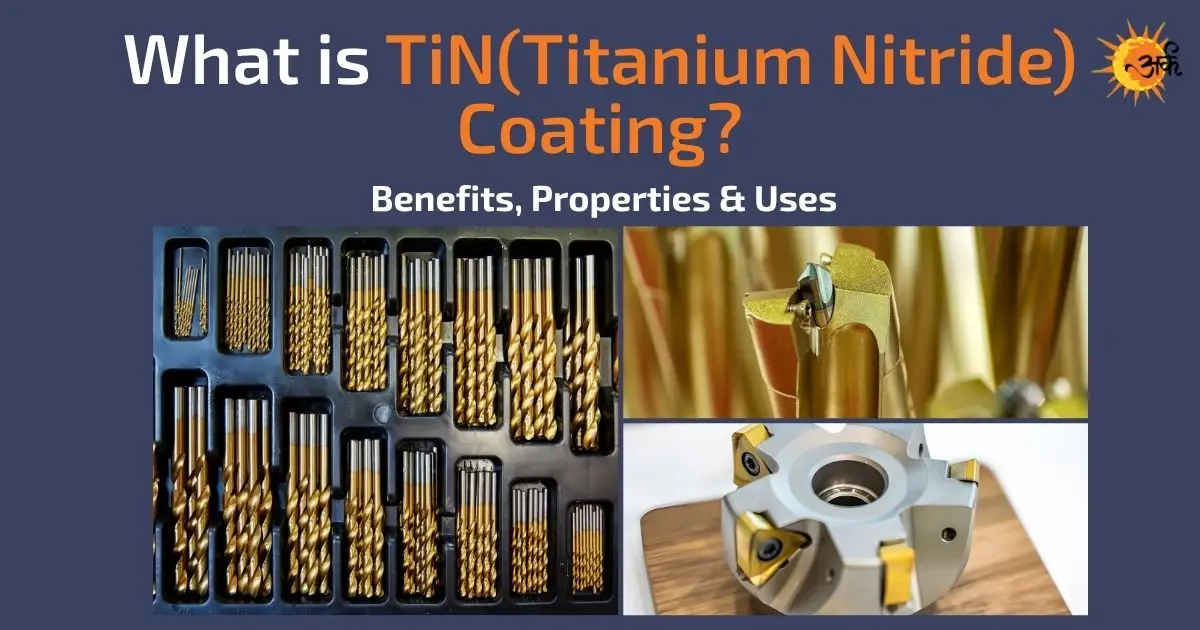
TiN coating (Titanium Nitride coating) is a hard, wear-resistant ceramic coating applied using a Physical Vapor Deposition (PVD) process. If you’re wondering what is TiN coating, it is a surface treatment used to enhance the durability, hardness, and performance of metal components, especially in industrial applications. Known for its distinctive gold-colored finish, it provides excellent resistance to wear, friction, and high temperatures.
In modern manufacturing, where efficiency and precision are critical, TiN coating services plays a vital role in improving tool life and reducing operational costs. From cutting tools to aerospace components, this coating has become a preferred solution for extending performance and reliability.
What is TiN Coating (Titanium Nitride Coating)?
Titanium Nitride (TiN) coating is a thin ceramic layer deposited onto metal surfaces to improve their mechanical and chemical properties. It acts as a protective barrier that enhances surface hardness while reducing friction and wear.
This coating is typically applied using PVD technology, where the process vaporizes titanium and reacts it with nitrogen to form a durable TiN layer. This process creates a coating that bonds strongly to the base material and provides long-lasting protection.
Industries widely use TiN coating in applications where components face high stress, friction, and temperature. It improves performance without altering the core material, making it an ideal solution for precision applications.
What is TiN Coating Used For? (Applications & Industries)
Industries use this coating widely because it enhances performance and adapts to various applications.
Cutting Tools
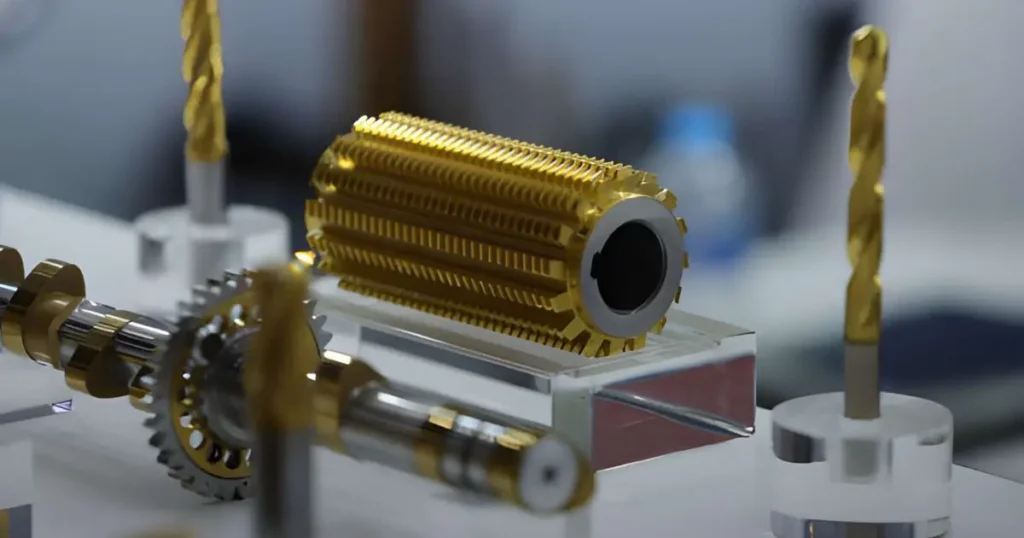
TiN-coated drills, taps, and end mills last significantly longer and maintain cutting efficiency even under high loads. This is why PVD coating for cutting tools is widely used to enhance durability, reduce wear, and improve overall machining performance.
Automotive Industry
Manufacturers use it on engine parts and transmission components to reduce wear and improve efficiency.
Aerospace Industry
Manufacturers apply this coating to high-performance parts exposed to extreme temperatures and mechanical stress.
Medical Instruments
Preferred for surgical tools due to its hardness, corrosion resistance, and biocompatibility.
Molds & Dies
Extends the life of molds by reducing friction and preventing surface damage.
How TiN Coating Works (PVD Coating Process Explained)
It is applied using a Physical Vapor Deposition (PVD) process, which ensures a strong and uniform coating.
1. Surface Preparation
The component is cleaned thoroughly to remove oils, dust, and contaminants.
2. Vacuum Chamber Setup
The cleaned part is placed inside a vacuum chamber to create a controlled environment.
3. Titanium Vaporization
Titanium is heated until it vaporizes.
4. Nitrogen Reaction
The titanium vapor reacts with nitrogen gas, forming titanium nitride.
5. Deposition
The coating is deposited onto the surface, forming a thin, durable layer. This process ensures excellent adhesion and consistent coating quality.
Benefits of TiN Coating for Industrial Applications
It offers several advantages that make it highly valuable in industrial environments.
- Increases tool life by reducing wear and tear
- Reduces friction, leading to smoother operations
- Improves cutting performance and precision
- Enhances surface hardness
- Provides thermal resistance, making it suitable for high-temperature applications
- Reduces maintenance costs and downtime
These benefits make it a cost-effective solution for improving productivity and efficiency.
Properties of Titanium Nitride (TiN) Coating
It is known for its exceptional physical and mechanical properties:
| Property | Value / Description |
|---|---|
| Hardness | ~2000–2500 HV |
| Friction Coefficient | Low (reduces wear) |
| Temperature Resistance | High stability |
| Thickness | Typically 1–5 microns |
| Color | Gold |
These properties enable this coating to perform effectively in demanding environments.
How TiN Coating Improves Tool Life & Performance
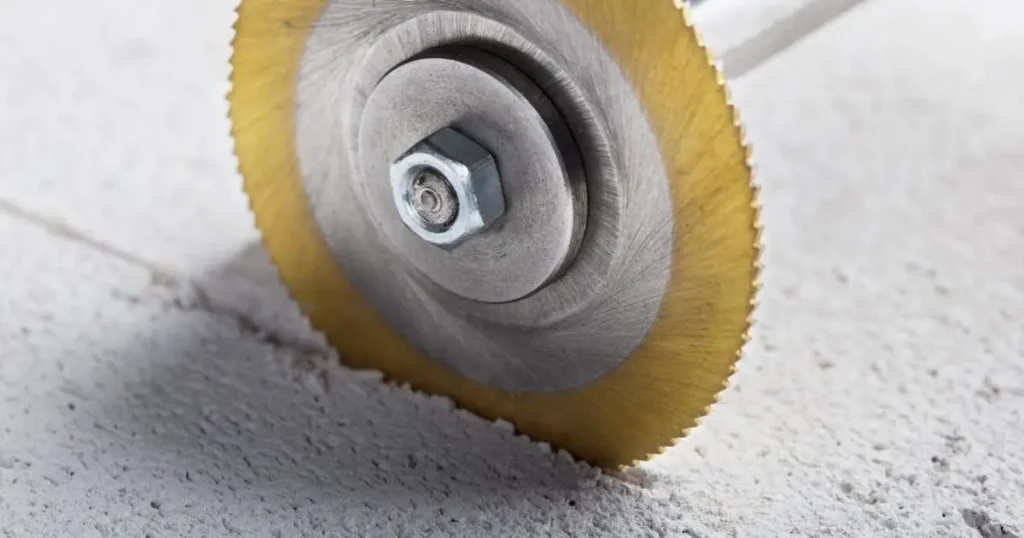
It offers one of the most significant advantages by extending tool life.
It creates a hard, protective surface that reduces direct contact between the tool and the material being processed. This action minimizes wear and prevents damage caused by friction and heat.
In many industrial applications, TiN-coated tools last 2 to 3 times longer than uncoated tools. This improvement increases efficiency and reduces replacement frequency and operational costs.
Additionally, reduced friction helps maintain consistent performance and ensures better product quality.
TiN Coating vs TiAlN vs DLC Coating (Key Differences)
Different coatings are used depending on application requirements:
| Coating | Best Use Case | Key Advantage |
|---|---|---|
| TiN | General-purpose tools | Cost-effective & durable |
| TiAlN | High-temperature environments | Superior heat resistance |
| DLC | Low-friction applications | Extremely low wear |
TiN coating offers a balanced combination of performance and affordability, making it ideal for a wide range of industrial uses.
TiN Coating Services for Industrial Applications
If you are wondering what is TiN coating and how it can improve the performance and lifespan of your tools and components, it is a reliable solution widely used across industries.
We offer advanced PVD coating services tailored to various industries, including automotive, aerospace, and manufacturing. Our solutions are designed to enhance durability, reduce wear, and optimize performance.
Read More
- What is PVD Coating
- PVD Coating Process Explained
- Difference Between PVD and Powder Coating
- TiSiN Coating Guide
- Ultimate Guide to PVD Coating for Industrial Components
Frequently Asked Questions
TiN (Titanium Nitride) coating is a hard ceramic layer applied using a PVD process. It works by forming a protective surface that reduces wear, friction, and heat on metal components.
TiN coating is used on cutting tools, automotive parts, molds, and medical instruments. It improves durability, performance, and resistance to wear in high-stress environments.
TiN coating reduces friction and protects the tool surface from wear. This helps tools last 2–3 times longer and maintain consistent performance.
TiN coating increases hardness, reduces wear, lowers friction, and improves heat resistance. It also enhances the lifespan and efficiency of industrial components.
TiN coating is cost-effective and suitable for general use. DLC offers very low friction, while TiAlN performs better at high temperatures. Each coating is used based on application needs.
TiN coating is typically 1–5 microns thick. Despite being thin, it is highly durable and provides strong resistance to wear and high temperatures.
Comments are closed