

 PVD Coating
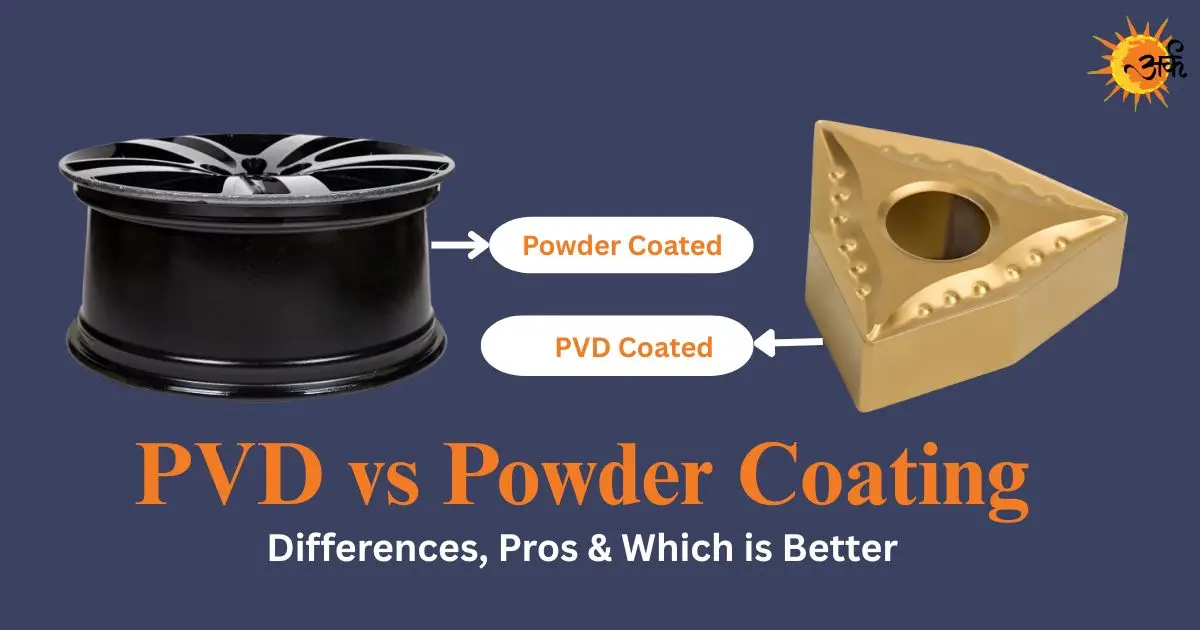
PVD coating and powder coating differ in thickness, durability, and application. PVD offers superior hardness and heat resistance, while powder coating provides thicker coverage for general surface protection.
The two most popular surface treatments in the world of manufacturing are Physical Vapor Deposition (PVD) coating and powder coating. While both are used to protect and enhance products, they achieve this through fundamentally different processes, resulting in very different properties and applications.
This blog explores the key differences between PVD and powder coating, helping you determine which is the best surface treatment for your specific requirements.
What is PVD Coating?
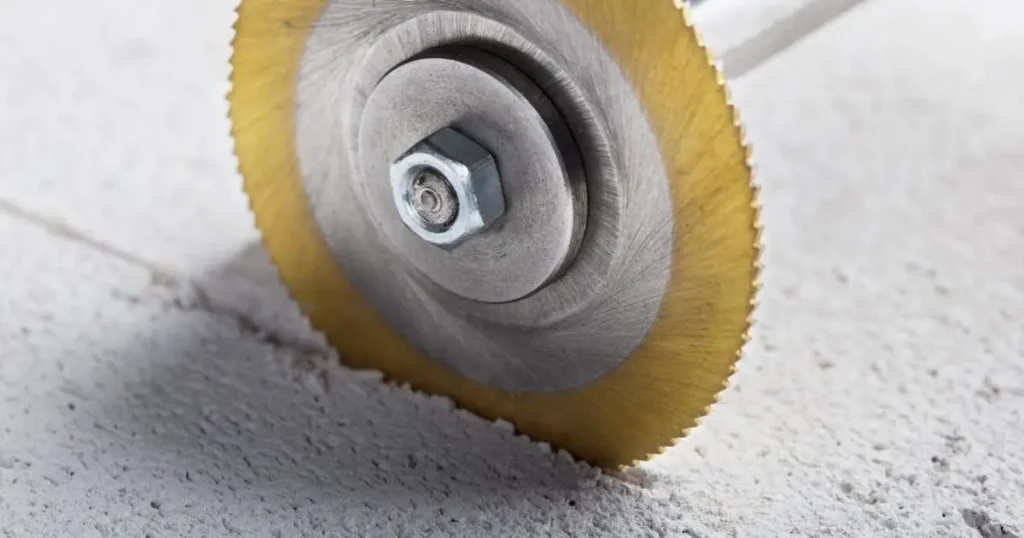
PVD coating is a modern coating technique used to improve durability and performance. It is based on the physical vapor deposition process, where a thin film is applied at the atomic level to enhance surface properties.
What is Powder Coating?
Powder coating is a finishing process where a dry powder is applied to a surface and cured under heat to form a thick, protective layer. It is widely used for decorative finishes and surface protection in industrial and consumer applications
PVD vs Powder Coating: Key Differences
The table below highlights the key differences between PVD coating and powder coating based on performance, durability, and applications.
| Feature | PVD Coating (Physical Vapor Deposition) | Powder Coating |
|---|---|---|
| Method | Vacuum-based process (sputtering, arc evaporation) | Electrostatic powder application followed by heat curing |
| Material Used | Metals, alloys, ceramics (e.g., TiN, CrN) | Organic polymers (epoxy, polyester, polyurethane) |
| Environment | Requires high-vacuum chamber | Applied in open spray booth, then cured in oven |
| Process Temperature | High (200°C – 500°C) | Lower (160°C – 200°C) |
| Coating Thickness | Very thin (1–5 microns) | Thick (50–150 microns) |
| Durability | Extremely high (wear & scratch resistant) | Moderate durability |
| Heat Resistance | Excellent (suitable for high-temp use) | Limited heat resistance |
| Surface Finish | Smooth, precise, decorative | Thick, textured, uniform finish |
| Applications | Pvd coating for Cutting tools, aerospace, medical tools | Furniture, automotive parts, appliances |
| Adhesion Strength | Strong atomic bonding | Mechanical adhesion |
| Corrosion Resistance | High | Good |
| Cost | Higher | Lower |
Choosing between PVD and powder coating depends on application, performance requirements, and environmental conditions.
PVD vs Powder Coating: Properties & Performance Comparison
PVD coatings such as TiSiN coating for high-speed machining offer excellent heat resistance and improved tool life in demanding industrial applications.
PVD Coating: High-Performance Thin Film
- Thickness: Ultra-thin (0.5 to 5 microns)
- Bonding: Atomic-level bonding with substrate
- Hardness: 3–5x harder than base material
- Corrosion Resistance: Excellent (non-porous barrier)
- Friction: Low friction, ideal for precision tools
 Best for: Cutting tools, aerospace, high-performance components
Powder Coating: Thick Protective Layer
- Thickness: Thick (25 to 125 microns)
- Bonding: Mechanical adhesion
- Impact Resistance: Excellent against chipping and scratches
- Aesthetic Range: Wide color, texture, and finish options
- UV Resistance: Strong (especially polyester coatings)
👉 Best for: Furniture, automotive parts, outdoor equipment
PVD vs Powder Coating: Applications & Cost-Effectiveness
The choice between PVD and powder coating depends on performance requirements, durability expectations, and budget considerations.
Where PVD Coating Excels
PVD coating is ideal for high-performance applications where precision, hardness, and wear resistance are critical.
- Cutting tools (drills, end mills, inserts)
- Molds and dies
- Medical devices (implants, surgical tools)
- Aerospace & automotive components
- High-end decorative finishes (watches, luxury fixtures)
👉 Cost & Value:
PVD coating has a higher upfront cost due to advanced vacuum technology. However, its ability to increase tool life by up to 3–5x makes it highly cost-effective in the long run.
Where Powder Coating Excels
Powder coating is best suited for applications where surface protection, aesthetics, and cost efficiency are the priority.
- Furniture and metal fixtures
- Automotive parts (non-critical components)
- Appliances and consumer goods
- Outdoor equipment & architectural structures
- Decorative and color-finish applications
👉 Cost & Value:
Powder coating is more affordable and ideal for large-scale applications. It offers good durability at a lower cost, making it a cost-effective choice for general-purpose coating.
Which is More Cost-Effective?
- For high-performance and long-term durability → PVD coating is more cost-effective
- For budget-friendly and decorative applications → Powder coating is more economical
PVD vs Powder Coating: Which Should You Choose?
The right choice between PVD and powder coating depends on your performance needs, durability requirements, and application environment.
Choose PVD Coating if you need:
- Extreme durability (high hardness, wear & corrosion resistance)
- Precision performance (tight tolerances, thin coatings)
- High-temperature resistance (ideal for aerospace & cutting tools)
Choose Powder Coating if you need:
- Cost-effective coating for large surfaces
- Decorative finishes (colors, textures, gloss options)
- Outdoor durability with good impact resistance
Final Verdict
- Choose PVD coating for performance, precision, and long-term durability
- Choose powder coating for affordability, aesthetics, and general protection
Looking for the Right Coating Solution?
If you need high-performance PVD coating for cutting tools or industrial applications, our experts at ARKA PVD Coating can help you choose the best solution for your requirements.
Contact us today for a consultation and improve your tool life and performance.
Read More
- What is PVD coating and how it works
- PVD coating process explained step by step
- TiSiN coating guide for high-performance applications
Frequently Asked Questions
What is the difference between PVD coating and powder coating?
PVD coating creates a thin, high-performance layer with superior hardness and heat resistance, while powder coating forms a thicker protective layer mainly used for surface protection and aesthetics. The choice depends on performance vs appearance needs.
What is better: PVD coating or powder coating?
PVD coating is better for high-performance applications like cutting tools and aerospace components due to its durability and heat resistance. Powder coating is better for cost-effective, decorative, and general-purpose applications.
How does PVD coating compare to powder coating in durability?
PVD coating offers significantly higher durability due to its strong atomic bonding and hardness, making it ideal for wear-resistant applications. Powder coating provides good impact resistance but is less durable under extreme conditions.
How does the thickness of PVD coating differ from powder coating?
PVD coating is extremely thin, typically between 0.5 to 5 microns, while powder coating is much thicker, usually ranging from 25 to 125 microns. This difference affects performance, precision, and application.
What are the main applications of PVD coating vs powder coating?
PVD coating is used in cutting tools, aerospace components, and medical devices where precision and durability are critical. Powder coating is commonly used in furniture, automotive parts, and outdoor equipment for protection and aesthetics.
How do you choose between PVD coating and powder coating?
You should choose PVD coating for high-performance, heat-resistant, and precision applications. Powder coating is a better choice for cost-effective, decorative, and large-surface coatings.
Comments are closed