
 PVD Coating
Introduction to Extrusion Die Wear
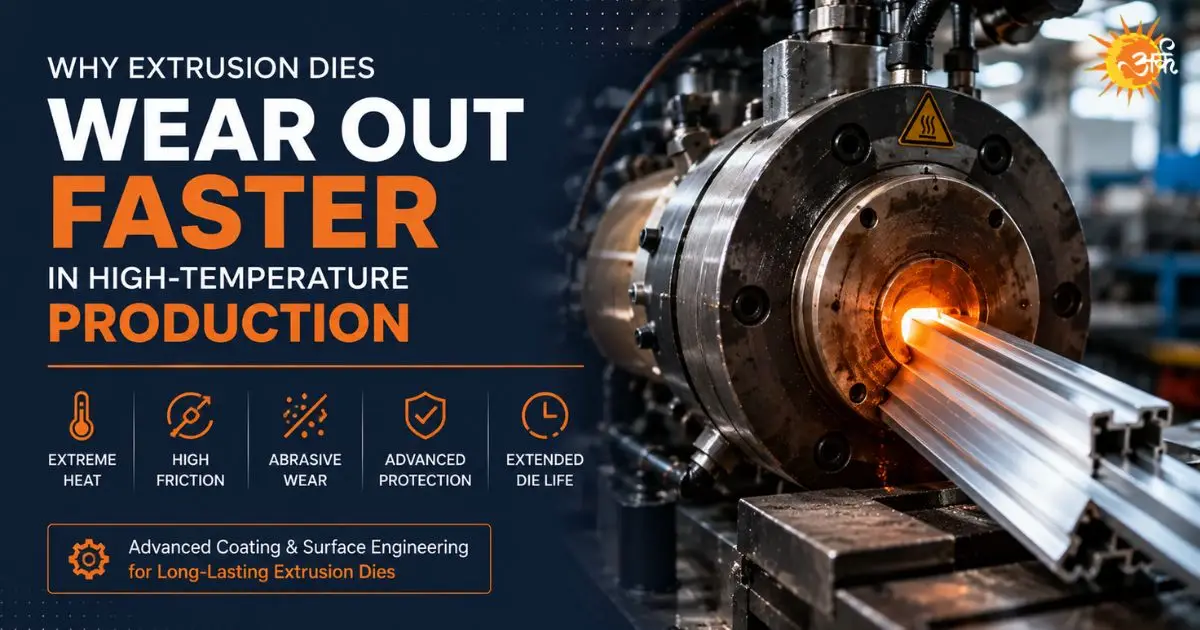
Why Extrusion Dies Wear Out Faster in High-Temperature Production is a major concern for manufacturers operating in demanding industrial environments where continuous exposure to heat, pressure, and friction accelerates tooling degradation. Extrusion dies are critical components responsible for shaping materials with precision and consistency. However, under extreme thermal conditions, their structural integrity can deteriorate rapidly.
High-temperature production environments expose dies to relentless mechanical and thermal stress. Over time, this causes dimensional instability, abrasive erosion, and reduced operational efficiency. Manufacturers seeking long-term productivity must understand the mechanisms behind die wear and adopt proactive protection strategies.
Understanding High-Temperature Extrusion Processes
Extrusion operations involve forcing heated material through a die cavity to achieve a specific profile or shape. This process generates enormous pressure and friction at elevated temperatures.
Industries commonly utilizing high-temperature extrusion include:
- Aluminum manufacturing
- Copper processing
- Plastic extrusion
- Steel component production
- Automotive part manufacturing
As production temperatures rise, extrusion dies experience intensified thermal cycling and mechanical fatigue. These harsh conditions accelerate wear rates and shorten die lifespan considerably.
Primary Causes of Rapid Die Wear
Extrusion die wear rarely results from a single variable. Instead, it emerges from a complex interaction between heat, friction, pressure, and abrasive contact.
Major contributors to rapid wear include:
- Excessive operating temperatures
- Poor lubrication
- High material flow pressure
- Abrasive material particles
- Improper die material selection
- Surface oxidation
Without proper protection, these conditions gradually erode the die surface and compromise production quality.
The Role of Friction in Extrusion Die Degradation
Friction plays a central role in die deterioration. As heated material passes through the die opening, intense surface contact creates resistance and generates substantial thermal energy.
Excessive friction leads to:
- Surface scoring
- Material adhesion
- Increased heat buildup
- Accelerated abrasive wear
- Dimensional instability
Reducing friction through advanced coatings and optimized lubrication systems significantly improves die longevity and operational consistency.
How Thermal Stress Damages Extrusion Dies
Thermal stress is one of the most destructive forces affecting extrusion dies in high-temperature production. Continuous heating and cooling cycles create microscopic expansion and contraction within the die structure.
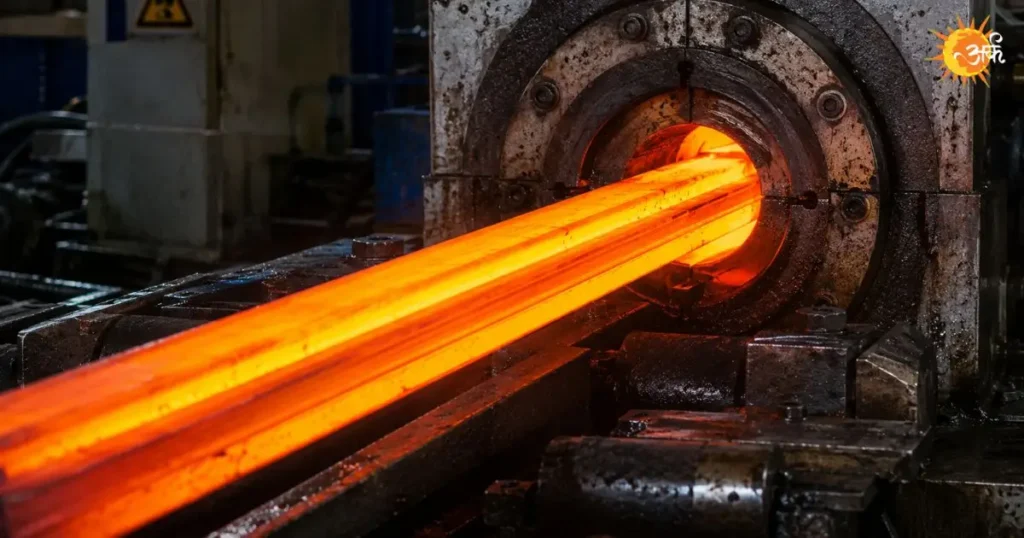
Over time, this repeated stress causes:
- Thermal fatigue cracking
- Structural distortion
- Surface delamination
- Hardness reduction
- Edge deformation
The implementation of high Temperature-resistant die coating technologies helps reduce thermal damage while improving die stability under extreme operating conditions.
Material Fatigue and Structural Weakening
Persistent exposure to elevated temperatures weakens the metallurgical properties of extrusion dies. As the die material loses hardness and toughness, it becomes increasingly vulnerable to deformation and cracking.
Material fatigue can result in:
- Reduced dimensional accuracy
- Premature edge breakdown
- Increased maintenance frequency
- Production inconsistencies
Preventing structural weakening requires both high-performance die materials and advanced protective surface treatments.
Impact of Abrasion on Die Performance
Abrasive wear occurs when hard particles within the processed material scrape against the die surface repeatedly during production. This constant abrasion gradually removes material from the die cavity.
The consequences include:
- Surface roughness
- Profile distortion
- Reduced extrusion precision
- Increased rejection rates
Applying abrasion-resistant coating for industrial tooling solutions provides a durable protective barrier against aggressive wear mechanisms.
Importance of Cooling and Lubrication Systems
Cooling and lubrication systems play a vital role in controlling temperature and minimizing friction during extrusion operations. Proper thermal management reduces surface stress and improves die stability.
Effective lubrication systems help:
- Dissipate heat efficiently
- Reduce material adhesion
- Minimize frictional resistance
- Improve material flow consistency
Optimized cooling strategies significantly extend die service life in continuous high-temperature production environments.
Advanced Coating Technologies for Die Protection
Modern extrusion operations increasingly depend on specialized coatings to protect dies from thermal and abrasive damage. Advanced coatings improve hardness, reduce friction, and enhance oxidation resistance.
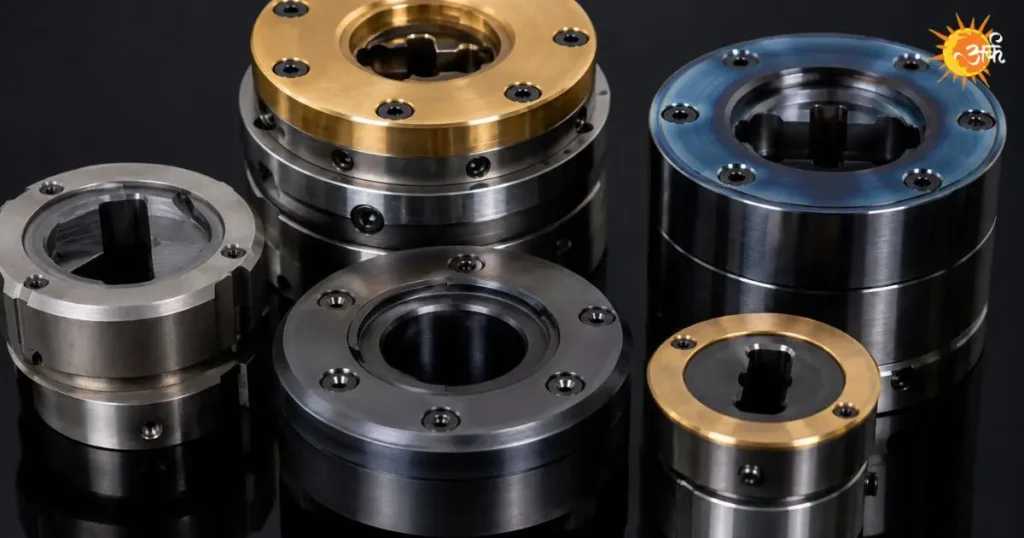
Key benefits of Wear-resistant industrial coating solutions include:
- Improved surface durability
- Reduced thermal degradation
- Enhanced wear resistance
- Longer operational lifespan
- Lower maintenance requirements
These coatings are essential for maintaining consistent production performance in demanding industrial applications.
Surface Engineering Solutions for High-Temperature Operations
Innovations in surface engineering have revolutionized die protection technologies. Sophisticated deposition techniques now allow manufacturers to create highly durable protective layers with exceptional thermal stability.
The implementation of Advanced surface engineering for industrial components enables manufacturers to achieve:
- Superior thermal resistance
- Enhanced hardness retention
- Improved oxidation protection
- Reduced friction coefficients
- Greater structural stability
These advanced technologies help extrusion dies withstand extreme production conditions more effectively.
Comparing Different Wear-Resistant Coating Options
Different coating technologies offer varying levels of thermal resistance and wear protection depending on production requirements.
Common industrial coating options include:
- Titanium Nitride (TiN)
- Chromium Nitride (CrN)
- Titanium Aluminum Nitride (TiAlN)
- Diamond-Like Carbon (DLC) coatings
- Ceramic-based thermal coatings
Selecting the appropriate coating depends on extrusion temperature, material type, and production intensity.
Best Practices for Extending Extrusion Die Life
Manufacturers aiming to reduce premature die failure should adopt a comprehensive operational strategy focused on wear prevention and thermal control.
Best practices include:
- Optimizing extrusion temperatures
- Using advanced protective coatings
- Maintaining proper lubrication
- Monitoring die wear regularly
- Selecting high-quality die materials
- Reducing excessive friction
Implementing effective Surface protection for extreme production conditions. strategies significantly improves die longevity and operational efficiency.
Warning Signs of Premature Die Failure
Recognizing early indicators of die wear helps manufacturers avoid costly production disruptions and unexpected tooling breakdowns.
Common warning signs include:
- Surface cracks
- Material buildup on die surfaces
- Inconsistent extrusion profiles
- Excessive heat generation
- Increased friction during operation
- Rough product finishes
Early intervention helps preserve production quality and minimize maintenance costs.
Future Innovations in Die Protection Technologies
The future of extrusion manufacturing is increasingly centered on intelligent wear management systems and advanced coating science.
Emerging innovations include:
- Nano-structured protective coatings
- Self-lubricating die surfaces
- AI-driven wear monitoring systems
- Smart thermal regulation technologies
- Hybrid surface engineering solutions
These advancements are expected to dramatically improve extrusion die durability and production reliability in high-temperature manufacturing environments.
Conclusion
Understanding Why Extrusion Dies Wear Out Faster in High-Temperature Production is essential for manufacturers seeking higher operational efficiency, longer tooling lifespan, and improved production consistency. Excessive heat, friction, abrasion, and thermal stress collectively accelerate die degradation and compromise manufacturing precision.
By integrating advanced coatings, optimized lubrication systems, and modern surface engineering technologies, manufacturers can significantly improve die durability while minimizing operational downtime. As industrial production demands continue increasing, innovative approaches for Reducing die wear in high-temperature manufacturing will remain critical for sustainable manufacturing performance.
FAQs
High temperatures increase thermal stress, friction, oxidation, and material fatigue, all of which accelerate die wear and structural degradation.
Excessive friction generates heat and abrasive contact, causing surface erosion, dimensional instability, and reduced die lifespan.
Common protective coatings include TiN, TiAlN, CrN, DLC coatings, and ceramic-based thermal barrier coatings.
Manufacturers can improve die longevity through advanced coatings, proper lubrication, temperature optimization, and regular wear monitoring.
Surface cracks, profile inconsistencies, excessive heat generation, rough finishes, and material adhesion are common indicators of die wear.
Looking to improve extrusion die durability with advanced coating technologies and high-performance surface engineering solutions? Discover innovative protection systems designed to reduce wear, improve thermal resistance, and maximize industrial production efficiency.
Comments are closed