


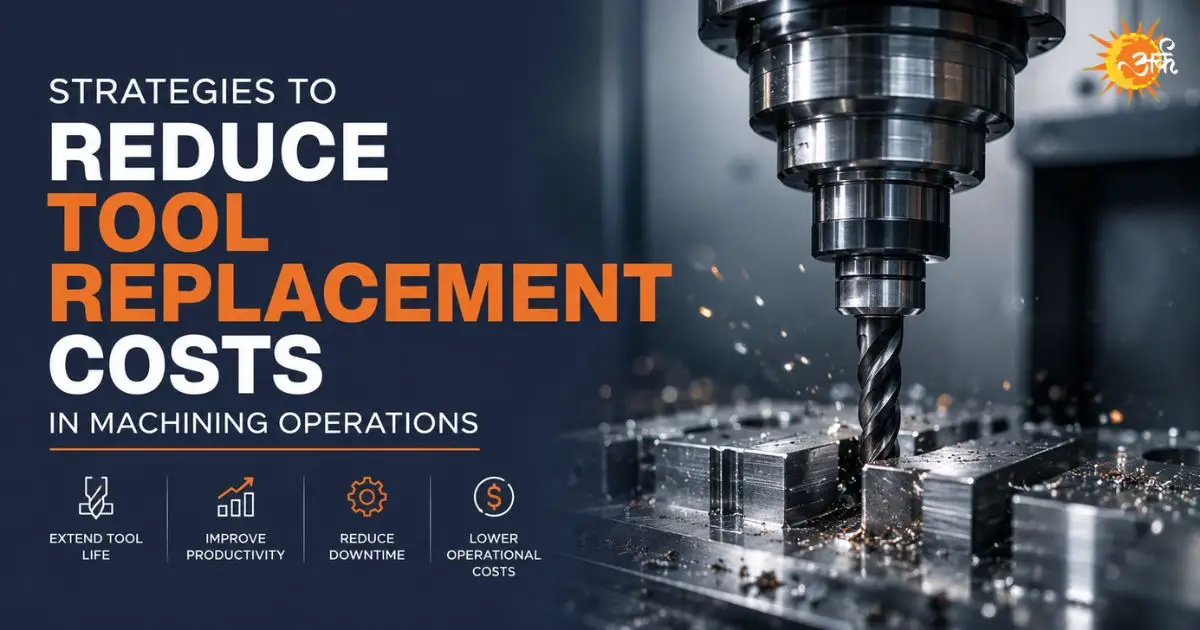
 PVD Coating
Introduction to Tool Replacement Costs in Machining
Reducing Tool Replacement Costs in Metal Machining Operations has become a strategic priority for manufacturers striving to maintain profitability in increasingly competitive industrial environments. Frequent tool replacement not only increases direct tooling expenses but also contributes to production interruptions, inconsistent machining quality, and unnecessary operational inefficiencies.
Modern machining facilities operate under immense pressure to improve throughput while minimizing waste. Even marginal improvements in tool lifespan can generate substantial long-term savings. This makes tool preservation and wear reduction essential components of advanced manufacturing strategies.
Why Tool Wear Increases Operational Expenses
Tool wear gradually diminishes cutting performance and machining precision. As cutting edges deteriorate, machines require more power and additional machining time to maintain output quality.
Excessive wear creates several hidden expenses, including:
- Increased machine downtime
- Frequent tool inventory replacement
- Poor surface finish correction
- Higher scrap rates
- Reduced production efficiency
In many machining facilities, indirect wear-related costs often surpass the actual price of the tooling itself. Therefore, implementing systems focused on reducing cutting tool wear is critical for sustainable operational efficiency.
Understanding the Primary Causes of Tool Failure
Tool failure rarely occurs due to a single factor. Instead, it typically results from a combination of thermal stress, abrasive contact, mechanical overload, and chemical reactions during machining.
Common causes of premature tool failure include:
- Excessive cutting speed
- Inadequate lubrication
- High cutting temperatures
- Poor chip evacuation
- Incorrect tool geometry
- Material adhesion
Understanding these variables enables manufacturers to optimize machining conditions and extend tool service life considerably.
The Relationship Between Cutting Parameters and Tool Longevity
Cutting speed, feed rate, and depth of cut all directly influence tool wear rates. Aggressive machining parameters may increase short-term productivity but often accelerate tool degradation significantly.
Balanced machining conditions help maintain:
- Stable cutting temperatures
- Lower vibration levels
- Controlled chip formation
- Improved dimensional consistency
Carefully calibrated cutting parameters reduce mechanical stress on tooling systems and improve overall machining reliability.
How Heat and Friction Accelerate Tool Degradation
Heat generation is one of the most destructive forces in metal machining operations. As friction intensifies between the cutting tool and workpiece, thermal accumulation weakens the structural integrity of the tool material.
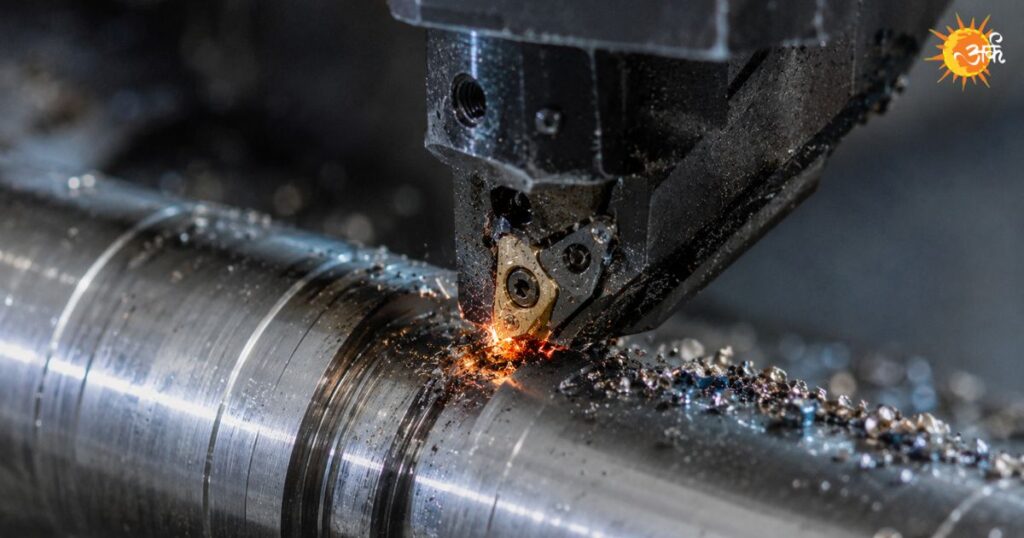
Excessive heat contributes to:
- Oxidation wear
- Edge deformation
- Thermal cracking
- Surface fatigue
- Loss of hardness
Using specialized coatings designed for high wear resistance for machining tools. can significantly reduce thermal damage and prolong cutting performance under demanding machining conditions.
Importance of Selecting the Right Tool Material
Different machining applications require distinct tool materials based on hardness, thermal conductivity, and wear resistance characteristics.
Popular tool materials include:
- Carbide
- Ceramic
- Cubic Boron Nitride (CBN)
- High-Speed Steel (HSS)
- Polycrystalline Diamond (PCD)
Selecting the correct substrate material improves cutting stability while reducing unexpected tool failure during prolonged machining cycles.
Role of Coatings in Extending Tool Life
Advanced coatings provide a protective interface between the cutting tool and workpiece material. These coatings reduce friction, enhance hardness, and minimize chemical interaction during high-speed machining.
Modern coatings improve:
- Thermal resistance
- Abrasion protection
- Oxidation resistance
- Chip evacuation efficiency
- Surface finish quality
Manufacturers increasingly rely on cost-effective tool protection coating solutions to reduce tooling expenses while improving machining consistency.
Advanced Surface Engineering for Tool Protection
Innovations in surface engineering have transformed tooling performance across multiple industrial sectors. Sophisticated deposition methods now create ultra-thin protective layers with exceptional adhesion and durability.
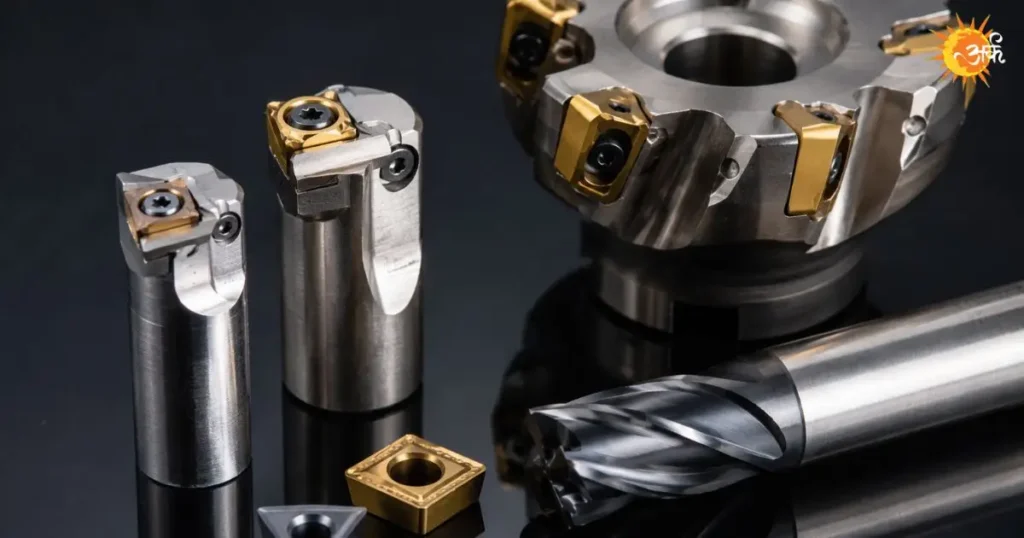
The implementation of advanced coating process for tooling applications. enables manufacturers to achieve:
- Enhanced wear resistance
- Superior hardness stability
- Reduced coefficient of friction
- Better thermal insulation
- Longer tool operational life
These advanced technologies play a crucial role in modern high-precision machining environments.
Benefits of Optimized Lubrication Systems
Lubrication systems help control friction and heat accumulation during machining operations. Effective lubrication minimizes direct surface contact while improving chip evacuation efficiency.
Common lubrication techniques include:
- Flood cooling
- Mist cooling
- Minimum Quantity Lubrication (MQL)
- Cryogenic machining
Proper lubrication selection reduces thermal stress and supports long-term tool durability in high-production manufacturing settings.
Predictive Maintenance and Tool Monitoring Techniques
Modern machining facilities increasingly utilize predictive maintenance systems to monitor tool condition in real time. These technologies identify wear patterns before catastrophic tool failure occurs.
Advanced monitoring solutions analyze:
- Vibration signatures
- Acoustic emissions
- Cutting force variations
- Temperature fluctuations
Predictive maintenance minimizes unexpected downtime and helps manufacturers optimize replacement schedules more effectively.
Reducing Downtime Through Better Tool Management
Tool replacement downtime significantly impacts manufacturing productivity. Efficient tool management systems help reduce interruptions and streamline machining workflows.
Best practices include:
- Scheduled tool inspections
- Automated tool tracking
- Inventory optimization
- Tool life monitoring software
- Standardized tooling procedures
Well-structured tool management strategies improve operational continuity and reduce unnecessary production delays.
Comparing Different Tool Protection Technologies
An effective tooling strategy often involves evaluating multiple protection methods based on machining requirements and production goals.
Common protection technologies include:
- Physical Vapor Deposition (PVD) coatings
- Chemical Vapor Deposition (CVD) coatings
- Diamond-like carbon coatings
- Nano-structured coatings
- Thermal barrier coatings
Each technology offers distinct advantages depending on machining material, cutting speed, and environmental conditions.
Best Practices for Improving Tool Durability
Manufacturers aiming for Improving industrial tool durability should adopt a comprehensive operational strategy focused on preventive maintenance and process optimization.
Key best practices include:
- Optimizing cutting conditions
- Using high-quality coatings
- Implementing proper cooling systems
- Monitoring tool wear continuously
- Selecting appropriate tooling materials
- Training machine operators effectively
These practices collectively improve machining reliability while reducing operational expenditure.
Future Innovations in Tool Life Optimization
The future of machining technology is centered on intelligent tooling systems and advanced material science. Emerging innovations are reshaping how manufacturers approach wear reduction and tooling efficiency.
Future advancements may include:
- Self-healing coatings
- AI-driven machining optimization
- Smart sensor-integrated tools
- Nano-composite surface engineering
- Adaptive lubrication technologies
These innovations are expected to dramatically improve machining productivity while supporting long-term cost reduction initiatives.
Conclusion
Reducing Tool Replacement Costs in Metal Machining Operations requires a multifaceted strategy that combines advanced coatings, optimized machining parameters, predictive maintenance, and intelligent tooling selection. Manufacturers that proactively address tool wear and thermal degradation can significantly improve productivity while lowering operational expenses.
As machining technologies continue to evolve, the integration of advanced surface engineering and predictive monitoring systems will become increasingly essential for maintaining competitive manufacturing efficiency. Investing in effective tooling preservation strategies remains one of the most impactful approaches for reducing machining operational costs and maximizing long-term industrial profitability.
FAQs
Excessive heat, friction, poor lubrication, and incorrect cutting parameters are among the most common causes of rapid tool wear.
Tool coatings reduce friction, improve hardness, and protect against thermal damage, significantly extending tool lifespan and reducing replacement frequency.
Predictive maintenance identifies wear patterns early, preventing unexpected tool failure and minimizing costly production downtime.
Carbide, ceramic, CBN, and PCD tools typically provide superior wear resistance depending on the machining application and material.
Manufacturers can improve efficiency by optimizing cutting conditions, using advanced coatings, implementing effective lubrication systems, and monitoring tool wear continuously.
Looking to optimize machining efficiency and reduce tooling expenses with advanced coating technologies and durable tooling solutions? Discover innovative strategies designed to improve tool life, enhance productivity, and maximize manufacturing performance.
Comments are closed