 PVD Coating
Introduction to Galling in Forming Dies
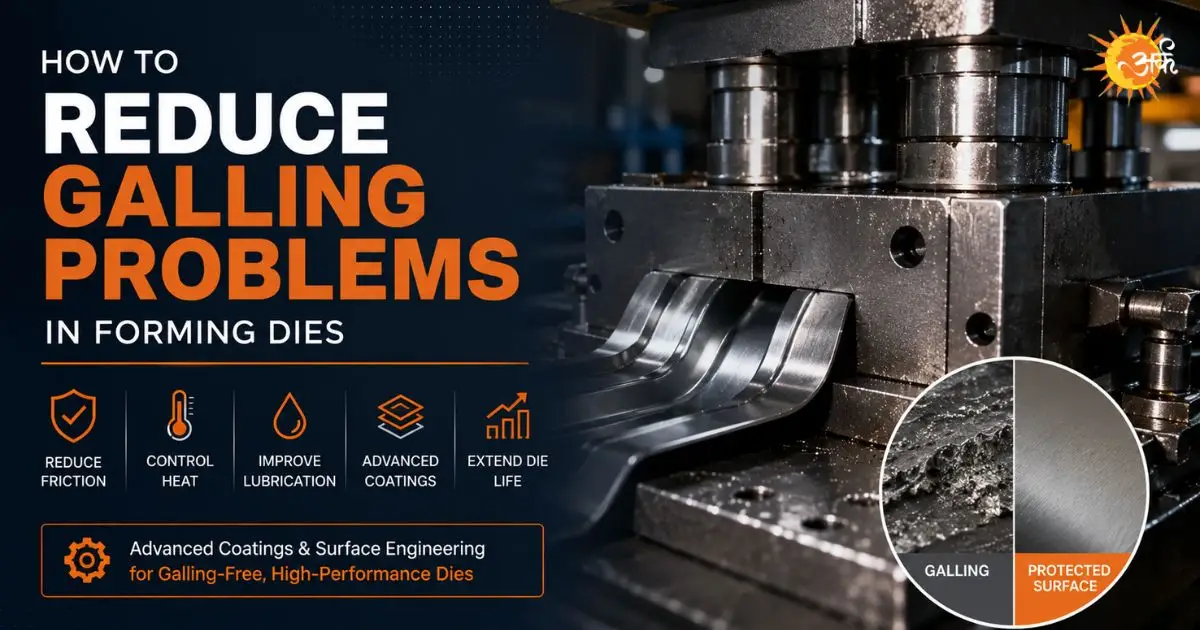
How to Reduce Galling Problems in Forming Dies is a crucial topic for manufacturers involved in metal forming operations where excessive friction and material adhesion can severely compromise tooling performance. Galling is a destructive wear phenomenon that occurs when two metal surfaces slide against one another under pressure, causing microscopic material transfer and surface damage.
In industrial forming environments, galling leads to premature die wear, poor product quality, increased downtime, and escalating maintenance costs. Preventing galling requires a strategic combination of lubrication, surface engineering, and advanced protective coatings capable of withstanding aggressive operating conditions.
Understanding the Causes of Galling
Galling typically develops when friction between contacting metal surfaces becomes excessive. Under high pressure, microscopic asperities on the material surfaces weld together temporarily and tear apart during movement.
Several factors contribute to galling formation, including:
- High contact pressure
- Poor lubrication
- Elevated operating temperatures
- Incompatible material combinations
- Rough die surfaces
- Excessive friction
The severity of galling often increases during high-speed or continuous production cycles where thermal accumulation becomes difficult to control.
The Role of Friction in Metal Forming Operations
Friction is one of the primary catalysts behind galling formation. During metal forming, the die and workpiece remain in continuous sliding contact under immense mechanical pressure.
Excessive friction causes:
- Surface scoring
- Material adhesion
- Increased thermal buildup
- Surface tearing
- Accelerated die wear
Implementing Surface Protection for High Friction Applications is essential for reducing frictional resistance and preserving die integrity during demanding production processes.
How Heat Accelerates Galling Damage
Heat intensifies galling by softening material surfaces and increasing the likelihood of adhesion between the die and workpiece. As temperatures rise, the protective oxide layers on metal surfaces begin to deteriorate, making direct metal-to-metal contact more aggressive.
Excessive heat contributes to:
- Material smearing
- Surface welding
- Thermal expansion
- Oxidation damage
- Rapid wear progression
Controlling thermal buildup is fundamental for minimizing galling-related failures in forming dies.
Material Adhesion and Surface Transfer Mechanisms
One of the defining characteristics of galling is material transfer between contacting surfaces. During forming operations, fragments of the workpiece material adhere to the die surface and gradually accumulate over time.
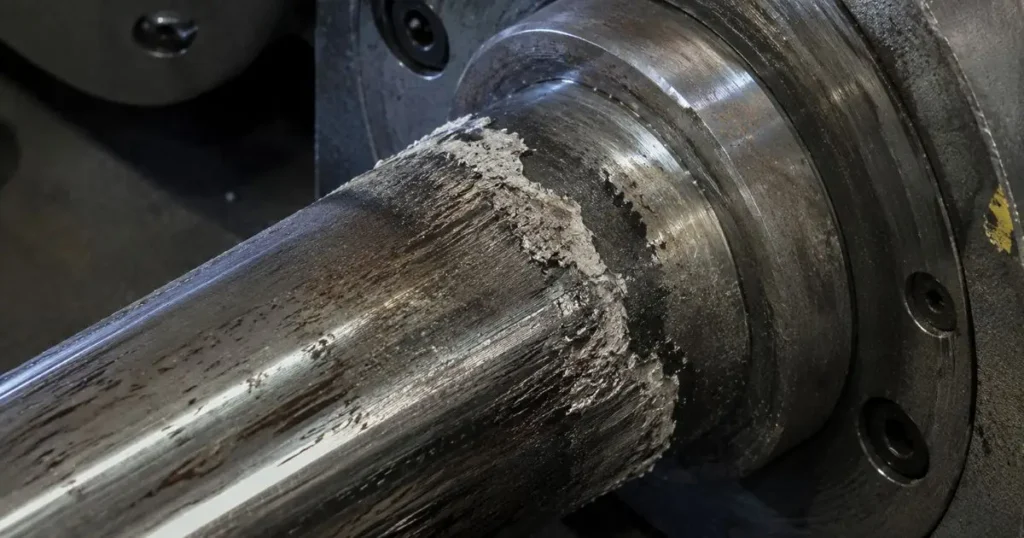
This material buildup creates:
- Surface irregularities
- Increased friction
- Dimensional inconsistencies
- Poor surface finish quality
Reducing surface adhesion through advanced coatings and optimized lubrication systems significantly improves die performance and production stability.
Impact of Galling on Production Quality
Galling negatively affects both tooling efficiency and product quality. As die surfaces become damaged, formed components exhibit visible defects and dimensional inconsistencies.
Common production issues caused by galling include:
- Surface scratches
- Material tearing
- Uneven part geometry
- Increased rejection rates
- Poor aesthetic finish
Manufacturers operating in precision-driven industries must prioritize galling prevention to maintain consistent production standards.
Importance of Die Surface Preparation
Proper surface preparation is critical for minimizing galling susceptibility. Smooth and uniform die surfaces reduce friction points and lower the likelihood of material adhesion during forming operations.
Effective surface preparation methods include:
- Precision polishing
- Surface texturing optimization
- Controlled roughness finishing
- Surface hardening treatments
Well-prepared die surfaces improve lubricant retention and enhance overall forming efficiency.
Role of Lubrication in Preventing Galling
Lubrication creates a protective barrier between the die and workpiece surfaces, reducing direct contact and minimizing friction.
Effective lubrication systems help:
- Lower operating temperatures
- Reduce material transfer
- Improve metal flow consistency
- Minimize abrasive wear
The selection of the correct lubricant depends on forming pressure, material type, and production speed. Consistent lubrication management significantly improves die longevity.
Advanced Coating Technologies for Forming Dies
Modern forming operations increasingly depend on specialized coatings to combat galling and surface degradation. Advanced coatings improve hardness, reduce friction, and enhance wear resistance.
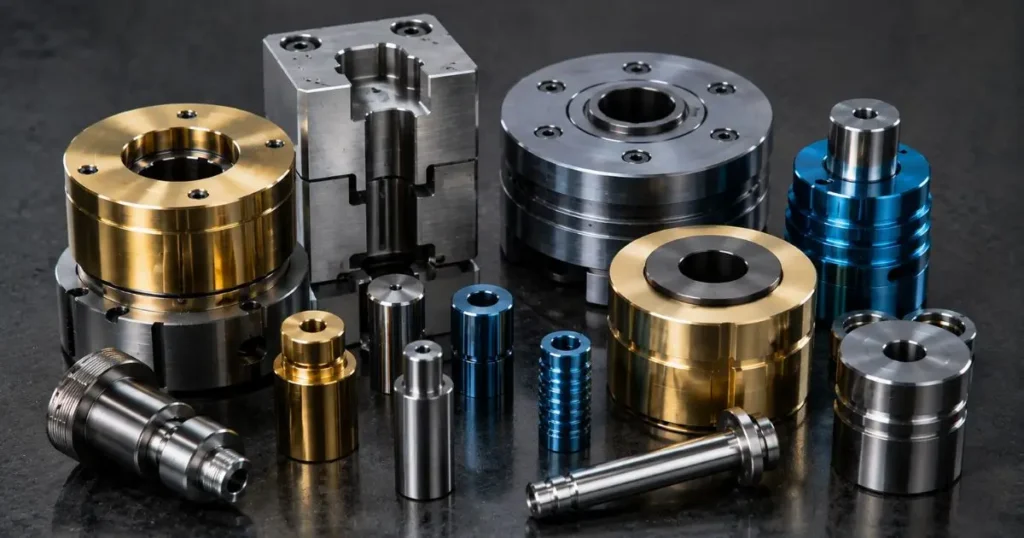
The implementation of Low-friction coating for forming dies technologies provides several advantages, including:
- Reduced material adhesion
- Improved thermal resistance
- Enhanced surface hardness
- Lower friction coefficients
- Extended die lifespan
These coatings are particularly effective in high-pressure forming applications where conventional die surfaces deteriorate rapidly.
Surface Engineering Solutions for High-Friction Applications
Innovations in surface engineering have transformed galling prevention strategies across industrial manufacturing sectors. Advanced deposition techniques now create ultra-thin protective layers with exceptional durability and adhesion characteristics.
The use of Advanced surface coating technology improves:
- Surface smoothness
- Wear resistance
- Oxidation protection
- Friction management
- Thermal stability
These engineering advancements enable forming dies to perform more reliably under aggressive production conditions.
Comparing Different Industrial Coating Technologies
Selecting the appropriate coating requires evaluating the operational demands of the forming process. Different coatings offer unique performance characteristics depending on pressure, temperature, and material compatibility.
Common industrial coatings include:
- Titanium Nitride (TiN)
- Chromium Nitride (CrN)
- Diamond-Like Carbon (DLC) coatings
- Titanium Aluminum Nitride (TiAlN)
An effective Industrial Coating Performance Comparison helps manufacturers determine the most suitable protection strategy for specific forming applications.
Best Practices for Reducing Galling Problems
Manufacturers seeking long-term galling prevention should implement a comprehensive operational strategy focused on friction reduction and surface protection.
Key best practices include:
- Optimizing lubrication systems
- Maintaining smooth die surfaces
- Using advanced protective coatings
- Monitoring operating temperatures
- Reducing excessive contact pressure
- Performing regular die inspections
The application of the Physical vapor deposition coating process further enhances surface durability and significantly reduces galling-related wear.
Common Warning Signs of Galling in Forming Dies
Recognizing the early indicators of galling helps manufacturers prevent severe tooling damage and costly production interruptions.
Common warning signs include:
- Surface scratches on formed parts
- Material buildup on dies
- Increased friction during forming
- Uneven product finishes
- Excessive heat generation
- Reduced dimensional consistency
Early intervention improves tooling lifespan and maintains production quality.
Future Innovations in Surface Protection Technologies
The future of forming die protection is increasingly driven by intelligent surface engineering and advanced material science innovations.
Emerging technologies include:
- Nano-structured anti-galling coatings
- Self-lubricating surfaces
- AI-driven wear monitoring systems
- Adaptive lubrication technologies
- Hybrid surface engineering solutions
These advancements are expected to redefine tooling performance standards in modern forming operations.
Conclusion
Understanding How to Reduce Galling Problems in Forming Dies is essential for manufacturers striving to improve tooling durability, production quality, and operational efficiency. Galling remains one of the most persistent challenges in metal forming environments due to the combined effects of friction, heat, and material adhesion.
By integrating advanced coatings, optimized lubrication systems, and innovative surface engineering technologies, manufacturers can dramatically reduce die wear and improve forming consistency. As industrial production demands continue evolving, effective strategies for Preventing galling in metal forming operations will remain fundamental to sustainable manufacturing success.
FAQs
Galling is primarily caused by excessive friction, high pressure, poor lubrication, and material adhesion between contacting metal surfaces.
Advanced coatings reduce friction, improve surface hardness, and minimize material transfer between the die and workpiece.
Lubrication reduces direct metal-to-metal contact, lowers operating temperatures, and helps prevent surface adhesion and wear.
Common coatings include TiN, CrN, DLC, and TiAlN coatings due to their excellent wear resistance and low-friction properties.
Material buildup, surface scratches, excessive heat, increased friction, and inconsistent part quality are common indicators of galling.
Looking to improve forming die performance with advanced coating technologies and high-performance surface protection solutions? Discover innovative systems designed to reduce galling, extend die lifespan, and maximize production efficiency.
Comments are closed